RISU Plastic Group's Environmental Initiatives
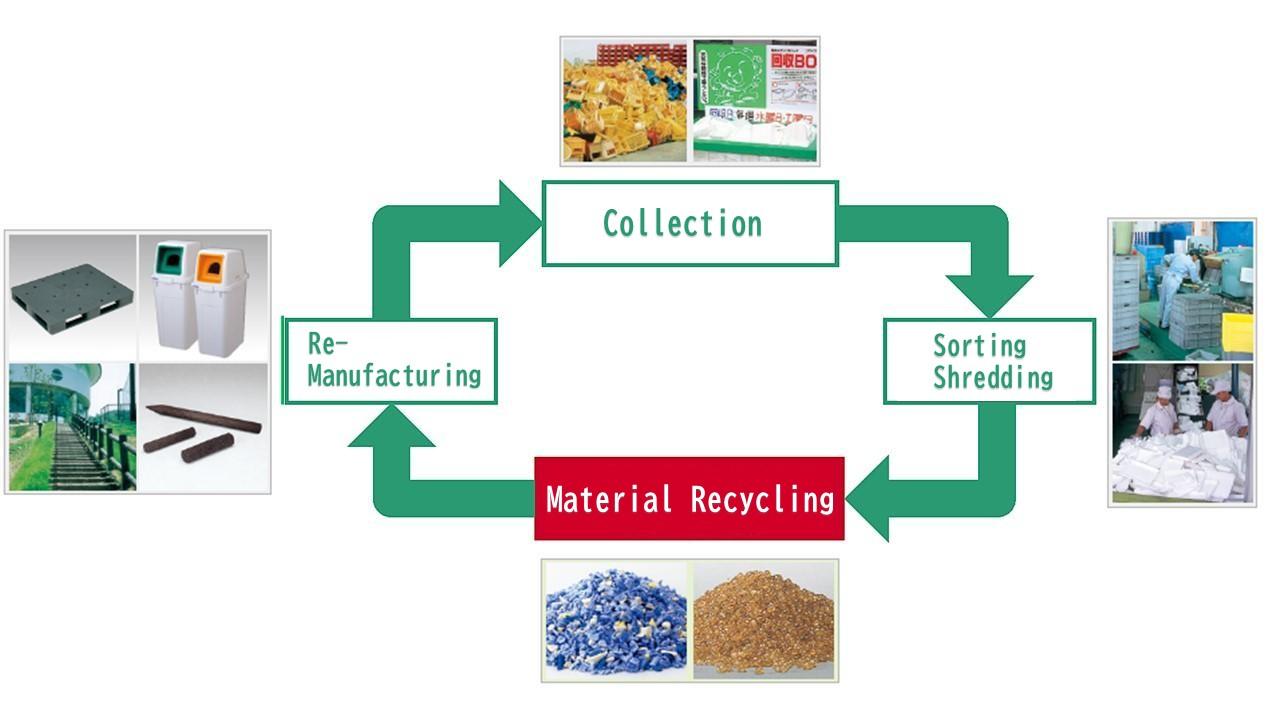
Since the 1990s, we have been committed to using recycled materials that help reduce waste.
By leveraging our proprietary material formulation technologies, we reprocess a wide range of recycled raw materials across various business fields, promoting recycling and creating new products that contribute to a more sustainable society.
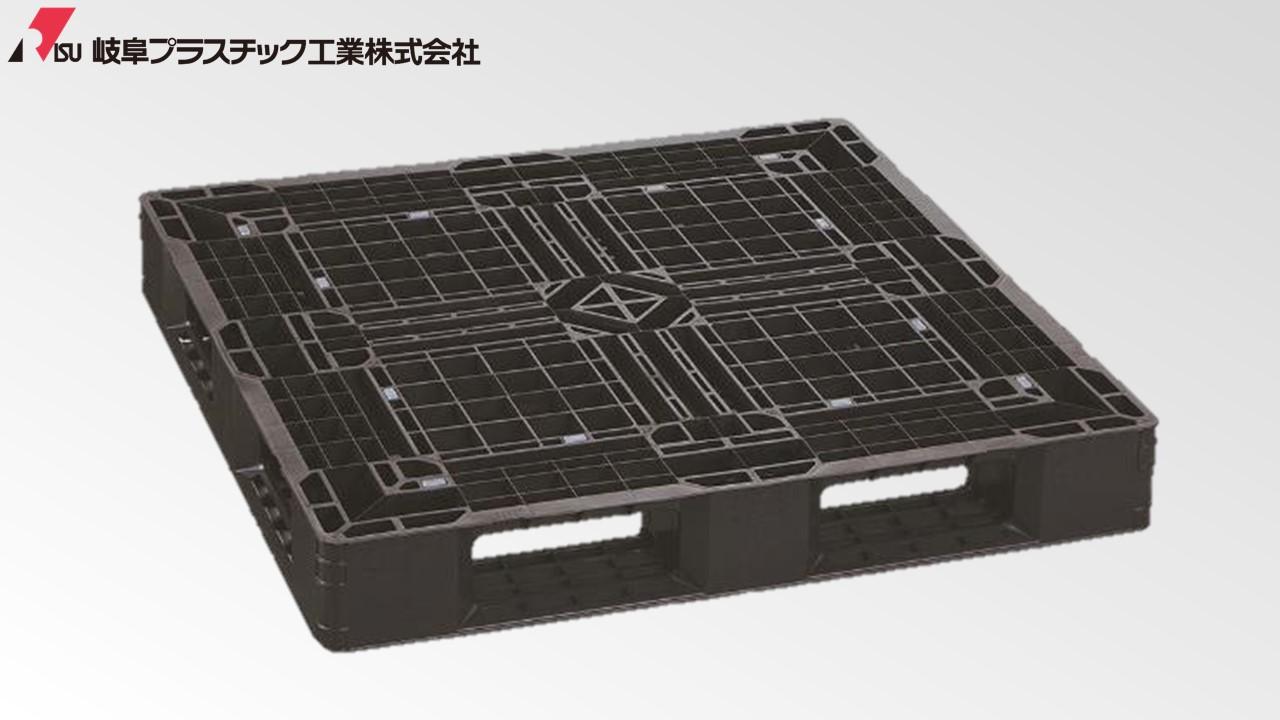
Recycled Pallets
Since 1993, RISU Plastic Group has been selling recycled pallets. Today, approximately 78% of our pallets incorporate recycled materials.
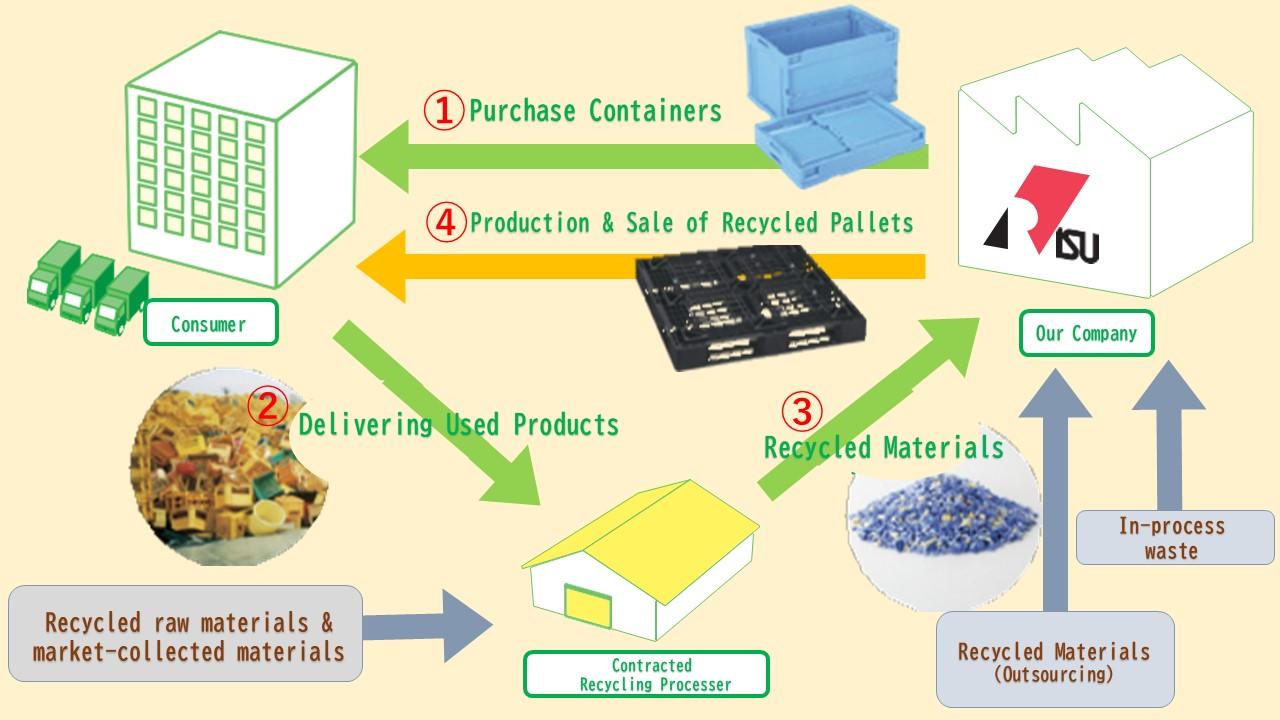
Through our “Pallet-Container to Pallet” initiative, we collect damaged or unwanted plastic pallets and containers and recycle them into raw materials for new pallets, helping promote resource circulation and reduce plastic waste.
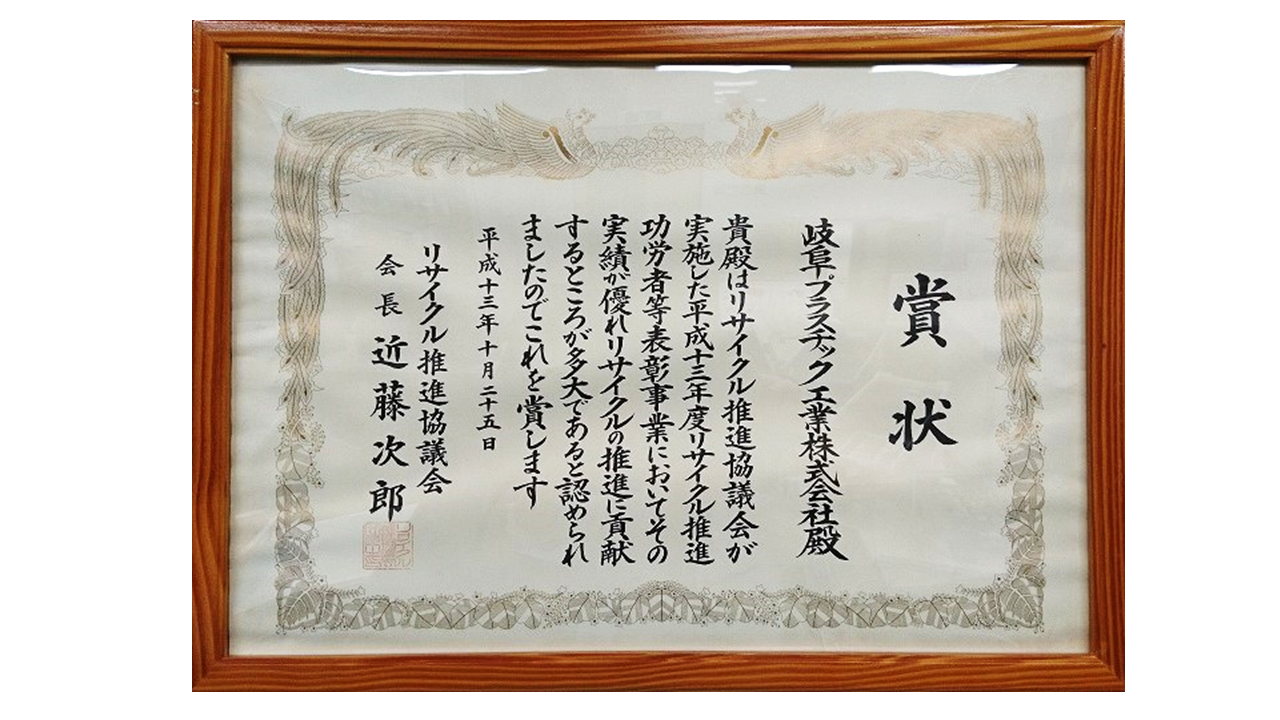
Chairman's Award from the Recycling Promotion Council
In 2001, RISU Plastic Group received the Chairman’s Award from the Recycling Promotion Council for its efforts to promote recycling through recycled pallets.
Rainwater Storage and Infiltration Tanks
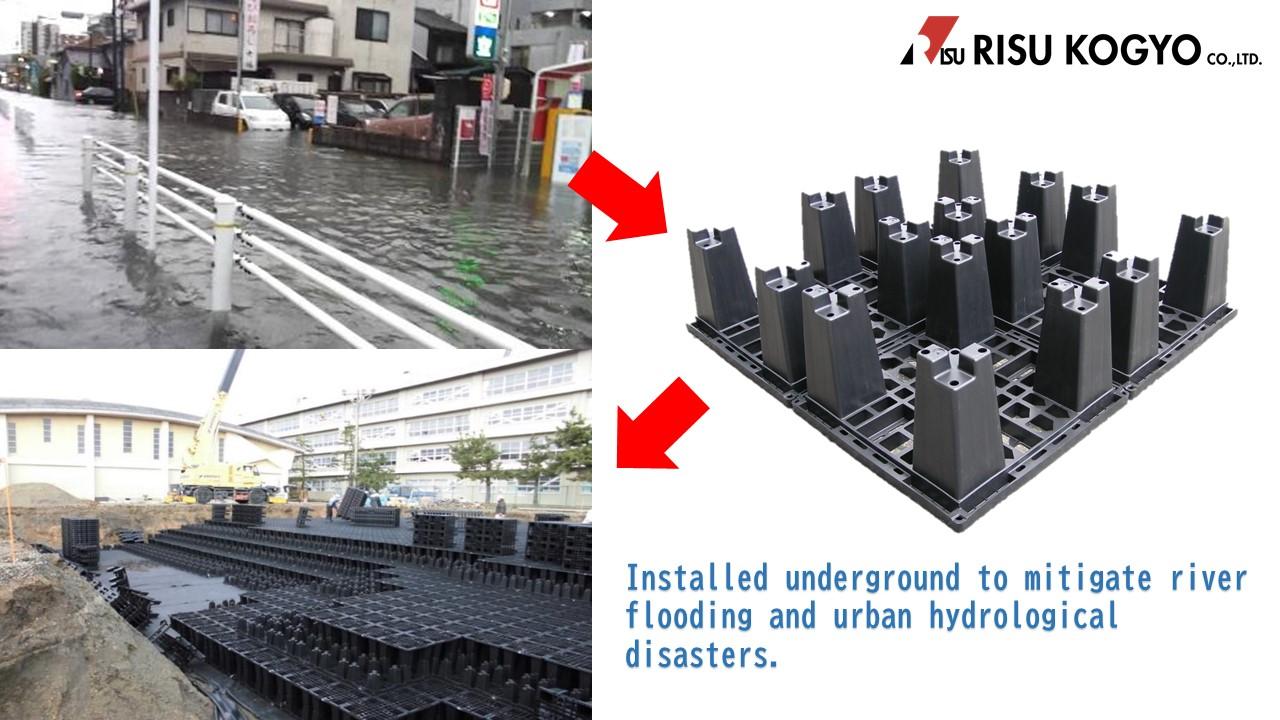
RISU Rain Stadium is an environmentally conscious rainwater storage and infiltration system made with recycled materials and ranked No. 2 in industry sales.
It is installed underground in areas such as commercial facility parking lots, parks, and school grounds, helping reduce rainwater runoff while maintaining the quality required for underground installation.
The product complies with Ministry of the Environment Notification No. 46, Environmental Quality Standards for Soil Contamination, as well as RoHS standards.
Certifications and Recognition
- Gifu Prefecture Recycling Certified Product, 2019
- Designated Green Procurement Item
- Recycling certification is also being pursued in other municipalities.
Plastic Plastering Tub ”KUROBUNE”
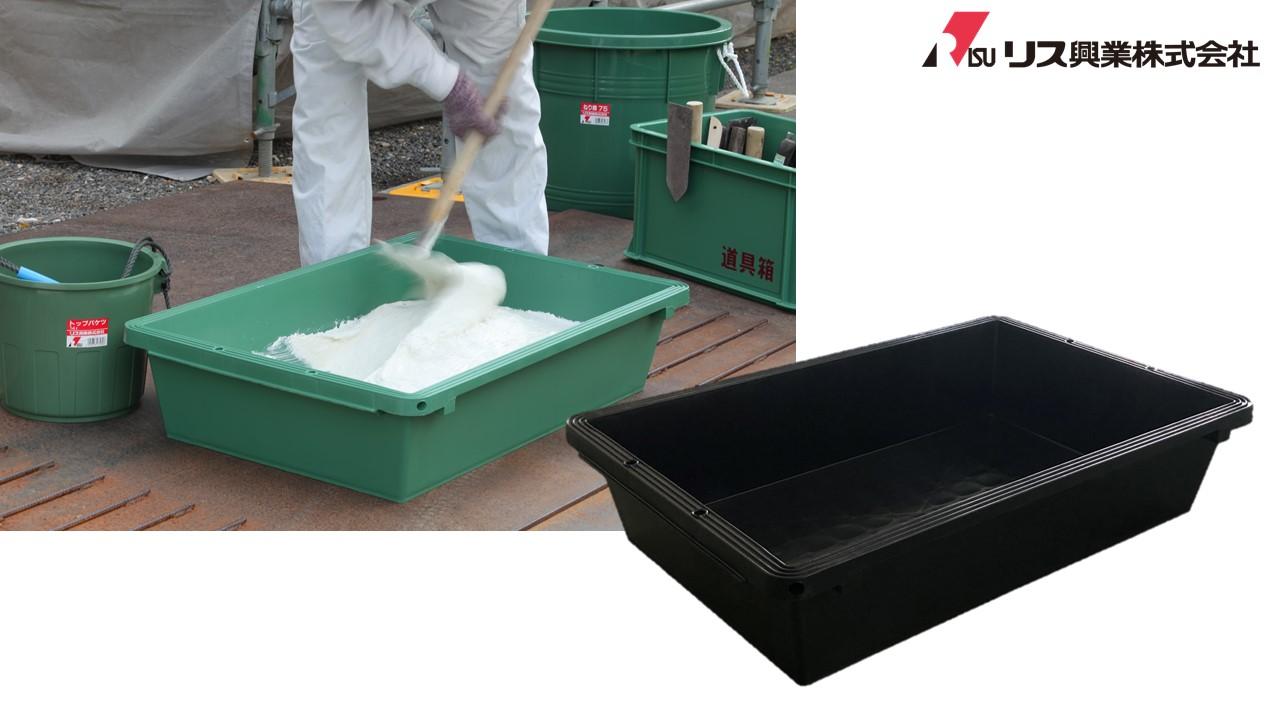
For more than 55 years, our plastic plastering tubs have been trusted by plastering professionals.
Made from recycled materials, “Kurobune” brings new environmental value to this long-selling essential tool while supporting today’s sustainability goals.
Imitation Wood : PLAWOOD
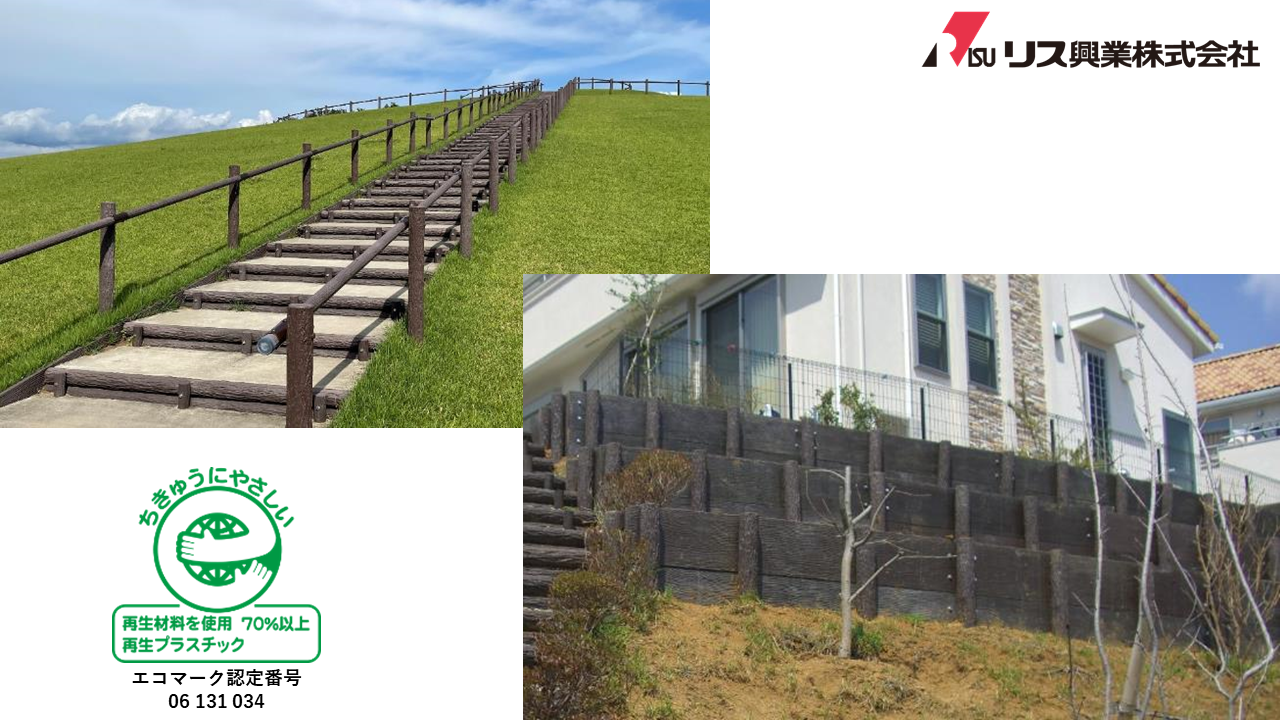
The PLAWOOD Series is made from 100% recycled materials, mainly PP and PE collected from the market. By using materials that are often difficult to recycle, such as films, multilayer containers, and degraded plastics, PLAWOOD helps promote resource circulation and reduce waste.
Key Features and Certifications
- Available since April 1994
- Made from 100% recycled materials, excluding metal components
- Gifu Prefecture Recycling Certified Product
- Eco Mark Certified Product, Certification No. 06 131 034
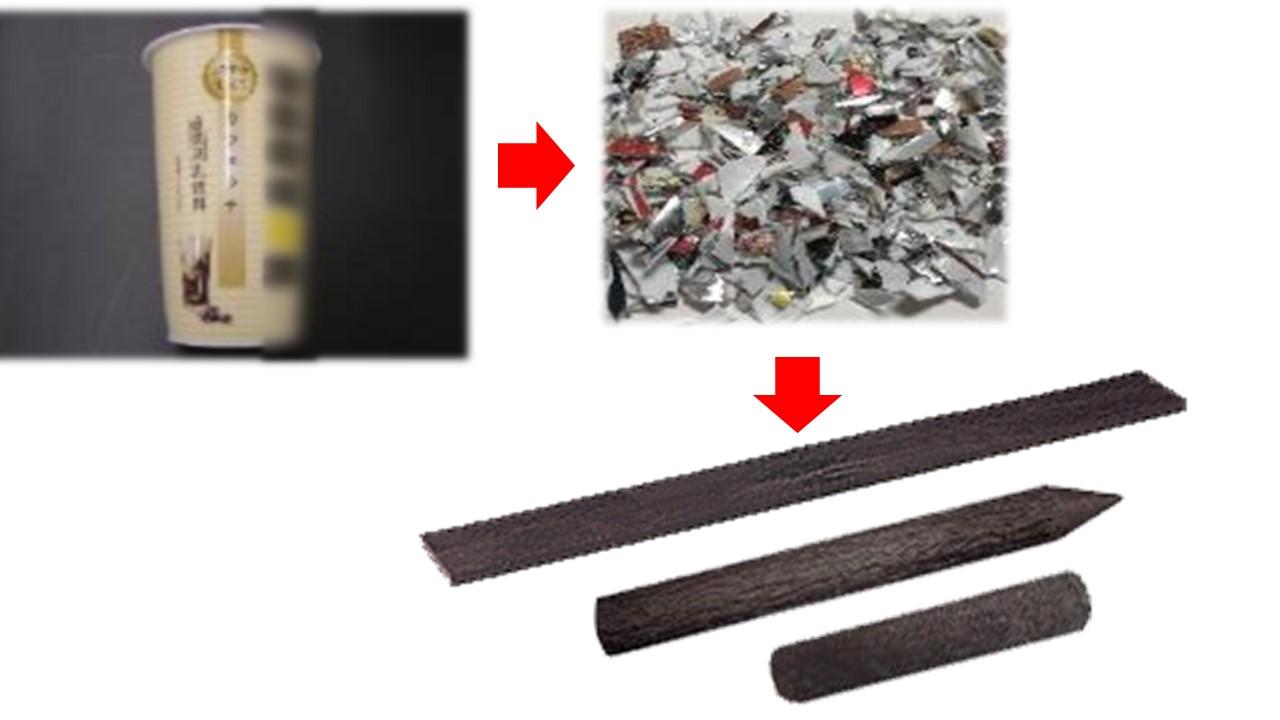
Effective Use of Group Waste Materials
Waste materials generated within the RISU Group are effectively reused as part of the PLAWOOD composite material.
One example is multi-layer coffee cup waste from RISUPACK Co., Ltd., which is difficult to recycle using conventional methods.
By incorporating these materials into PLAWOOD, we promote more effective resource use and provide an innovative approach to waste reduction.
Recycle<Dust Box>
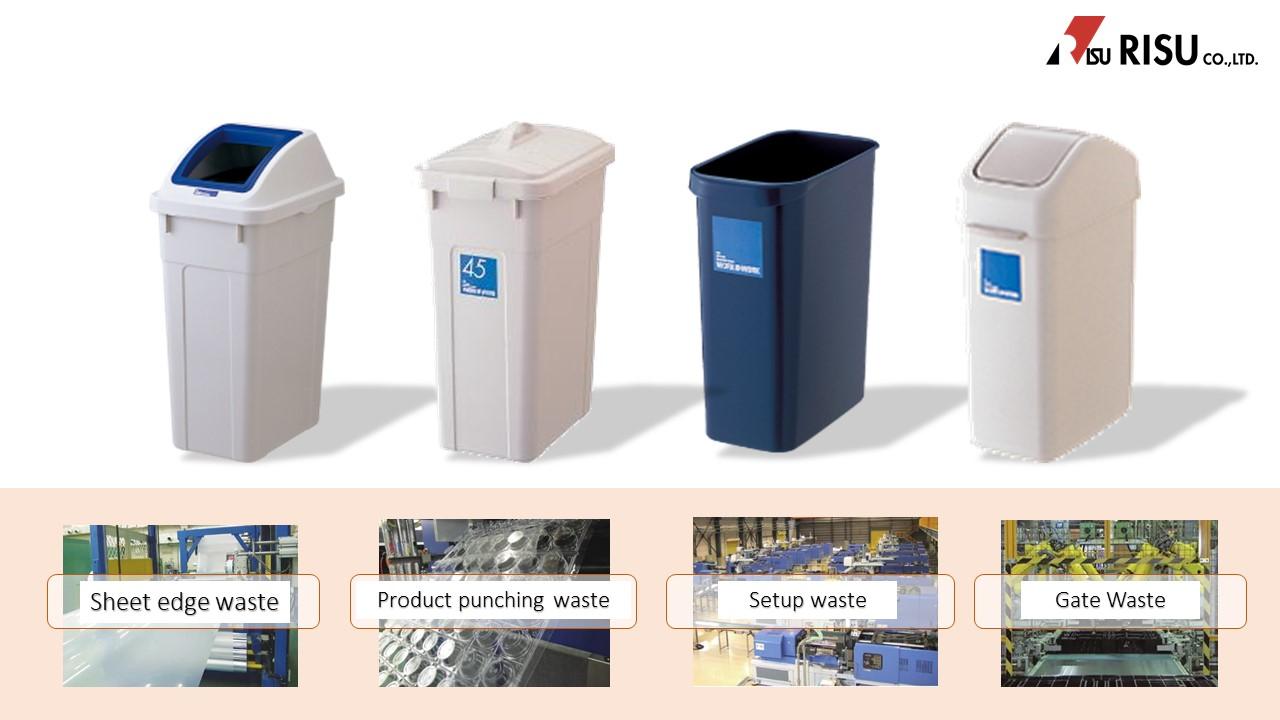
We have developed the WORK & WORK Series by incorporating recyclable PP materials generated during the production processes of our group companies.
These dust boxes comply with Japan’s Green Procurement Act and represent a practical example of resource circulation within the RISU Group.
Key Information
- Available since 2002
PVC Product Recycling
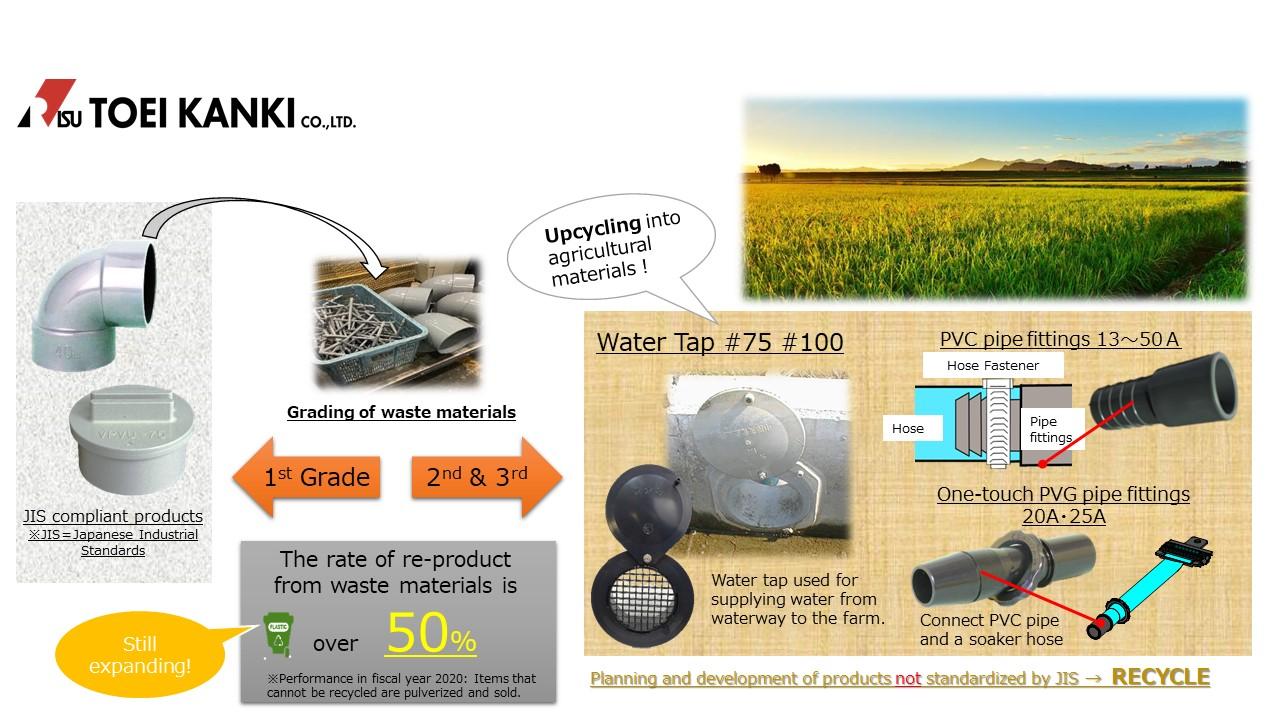
At TOEI KANKI, which handles PVC products, 64% of waste materials were reprocessed in fiscal year 2020.
The company works to minimize material loss and reduce waste as much as possible. Materials that are not suitable for in-house recycling are pulverized and sold for other uses.
TECCELL SAINT Sound-Absorbing Panel Using Recycled Materials from Electronic Waste
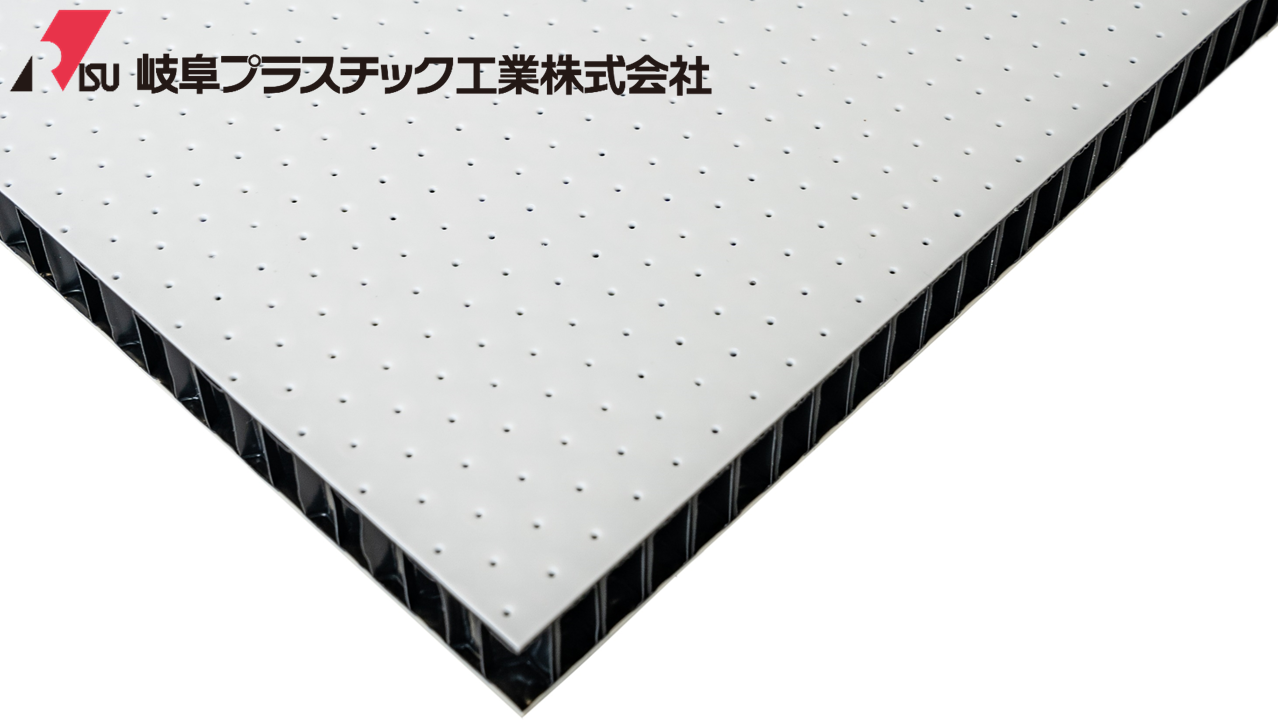
In collaboration with Hirabayashi Metal Co., Ltd., a leading recycling company, we developed a TECCELL SAINT product that incorporates recycled materials from electronic waste into its core layer.
Sales of this product began in July 2021.
Key Features
- Recycled materials are incorporated into the core layer and do not affect the product’s appearance.
- The product maintains its strength while helping stabilize costs.
- Recycled material: Polypropylene
- Inclusion rate: Approximately 10% in the core layer
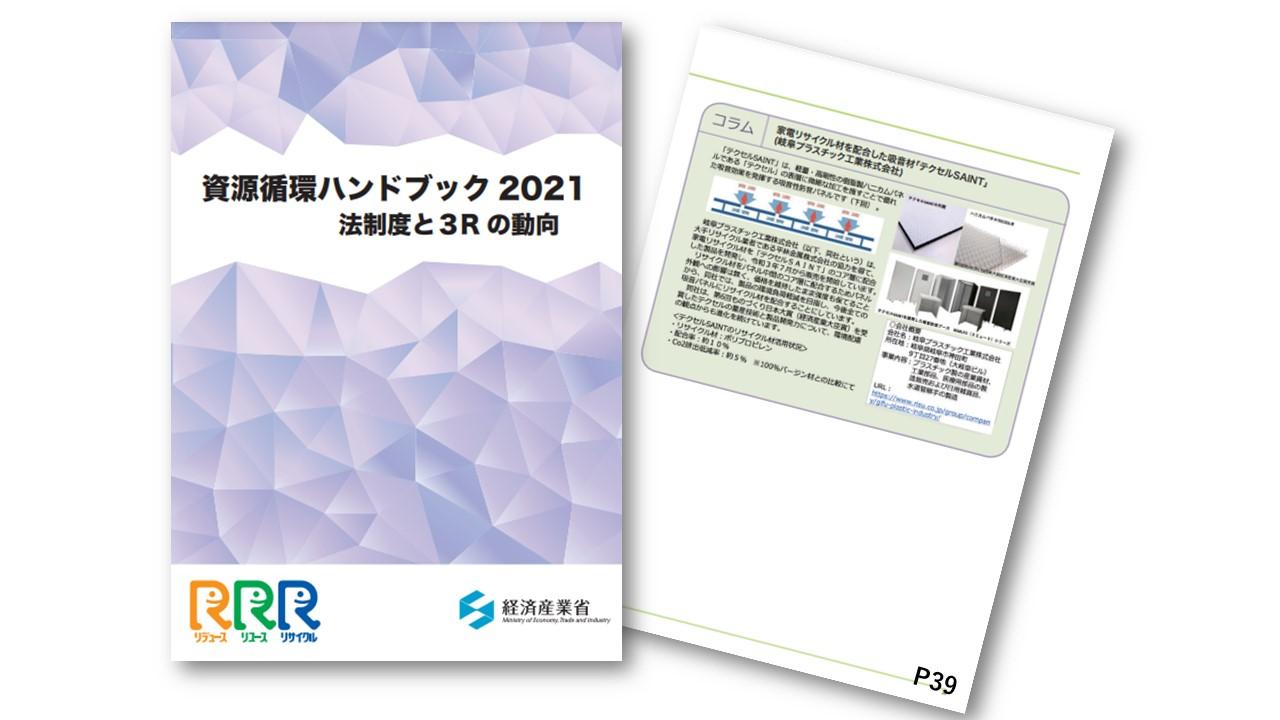
This initiative, which uses recycled materials from electronic waste, was recognized and featured as a case study in the Resource Circulation Handbook 2021, published by the Ministry of Economy, Trade and Industry.
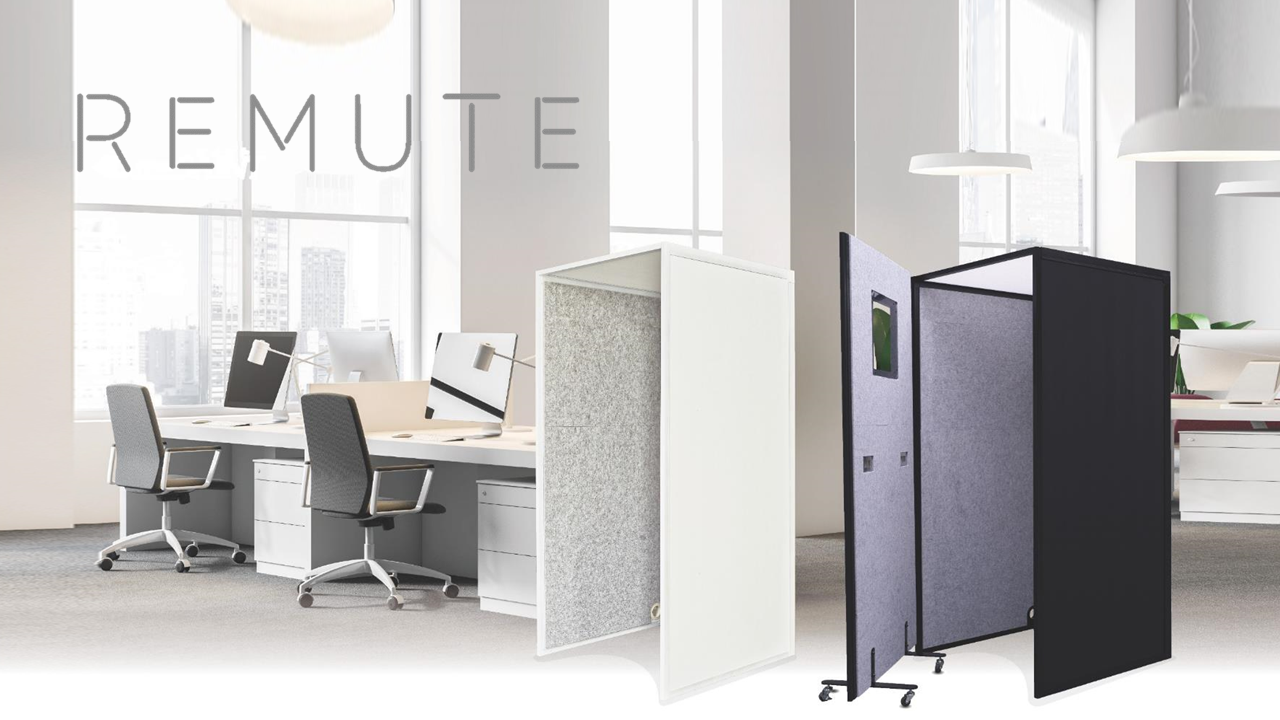
We have also developed REMUTE, a series of sound-absorbing booths made with TECCELL SAINT to help create quieter and more comfortable spaces.
Recycling Initiative: Foldable Container Made with Ocean Bound Plastic
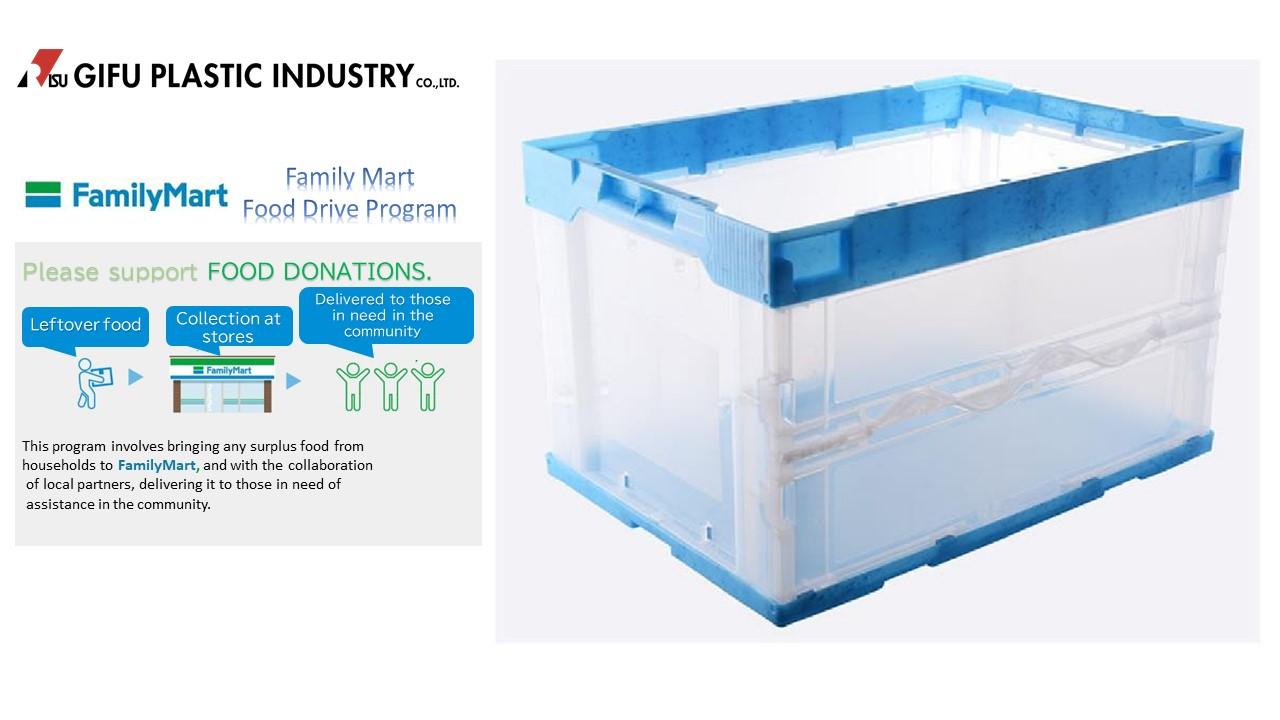
This foldable container uses Ocean Bound Plastic collected in Tsushima City, Nagasaki Prefecture, as part of its raw materials.
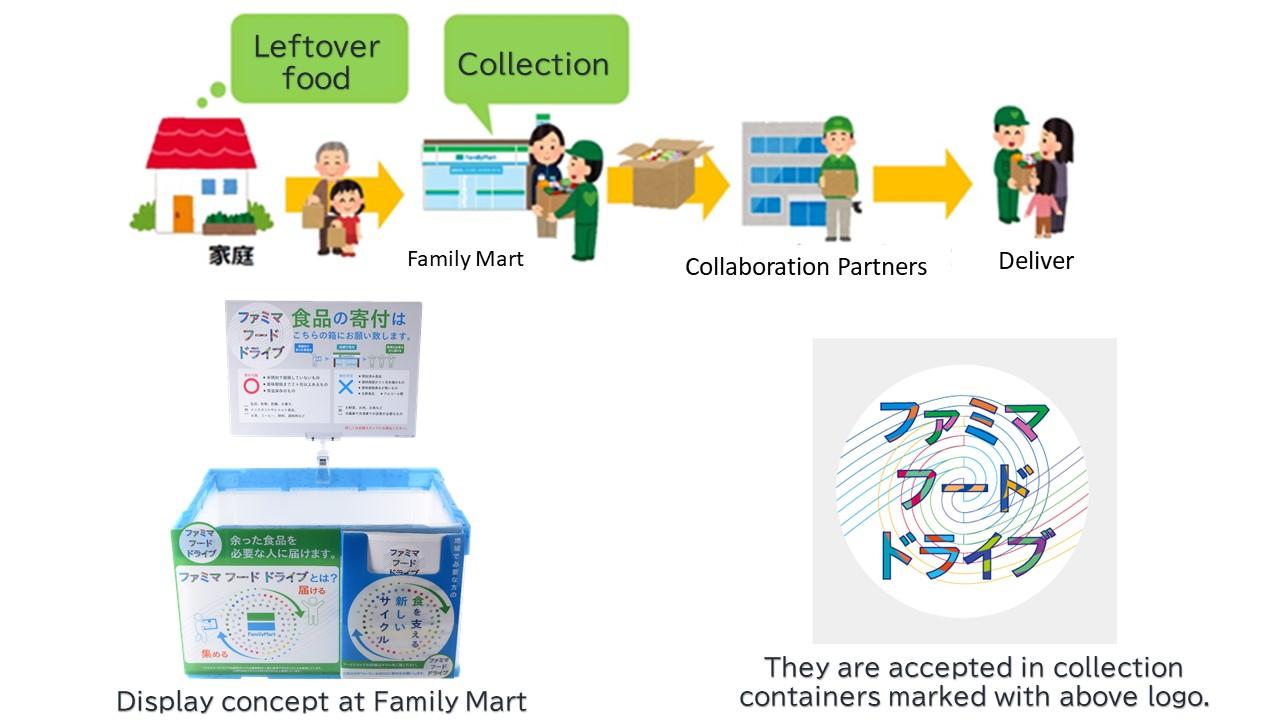
It has been adopted by FamilyMart as a collection box for its Food Drive initiative, supporting both resource recycling and community-based sustainability activities.
< What is Famima Food Drive ? >
Famima Food Drive is an initiative in which people bring unused food from their homes to FamilyMart stores.
Through cooperation with local governments and non-profit organizations, the collected food is distributed to people in need.
This program allows local residents to easily take part in social contribution activities while also helping reduce food waste.
Key Information
- Number of participating stores: 5001 stores across all prefectures of Japan
As of May 20, 2026 - Total food donations received: 604.7 tons
From April 2021 to February 2026 - Container specifications:
External dimensions: 530 × 366 × 325 mm
Capacity: 50 liters
Recycling Initiative: Pallets Made with Ocean Bound Plastic
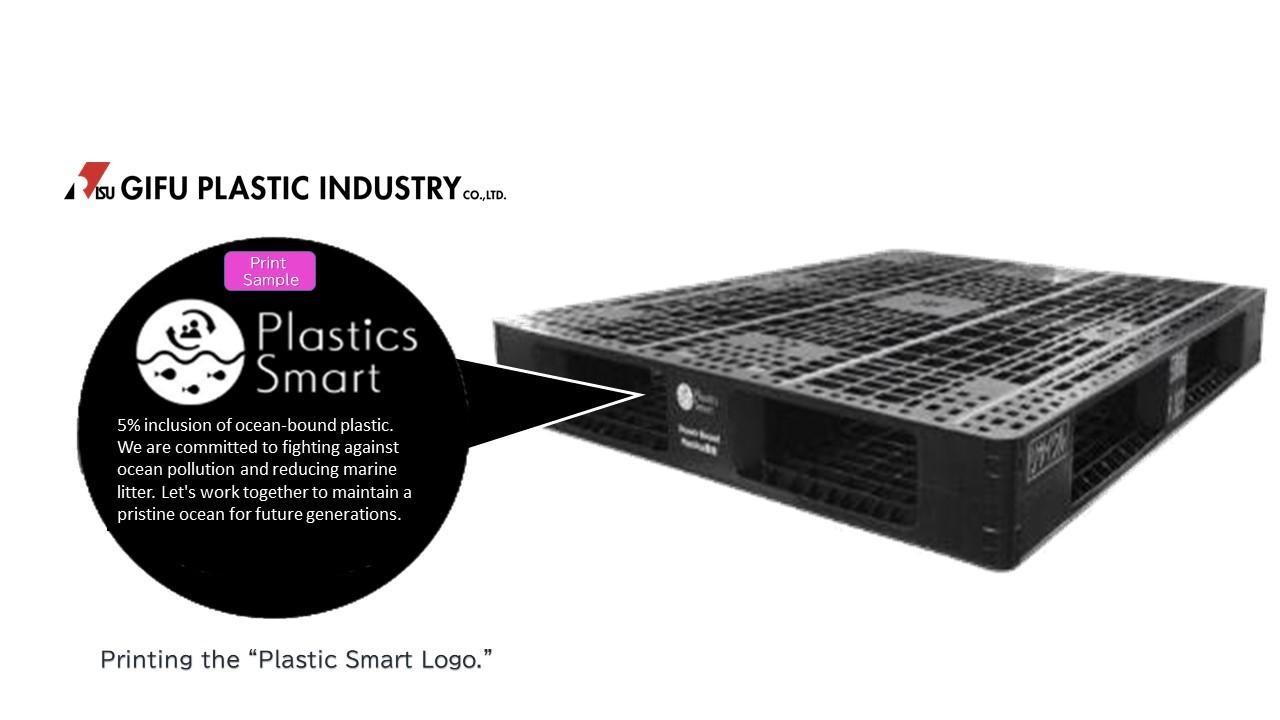
Gifu Plastic Industry has developed Japan’s first plastic pallet made in part with Ocean Bound Plastic.
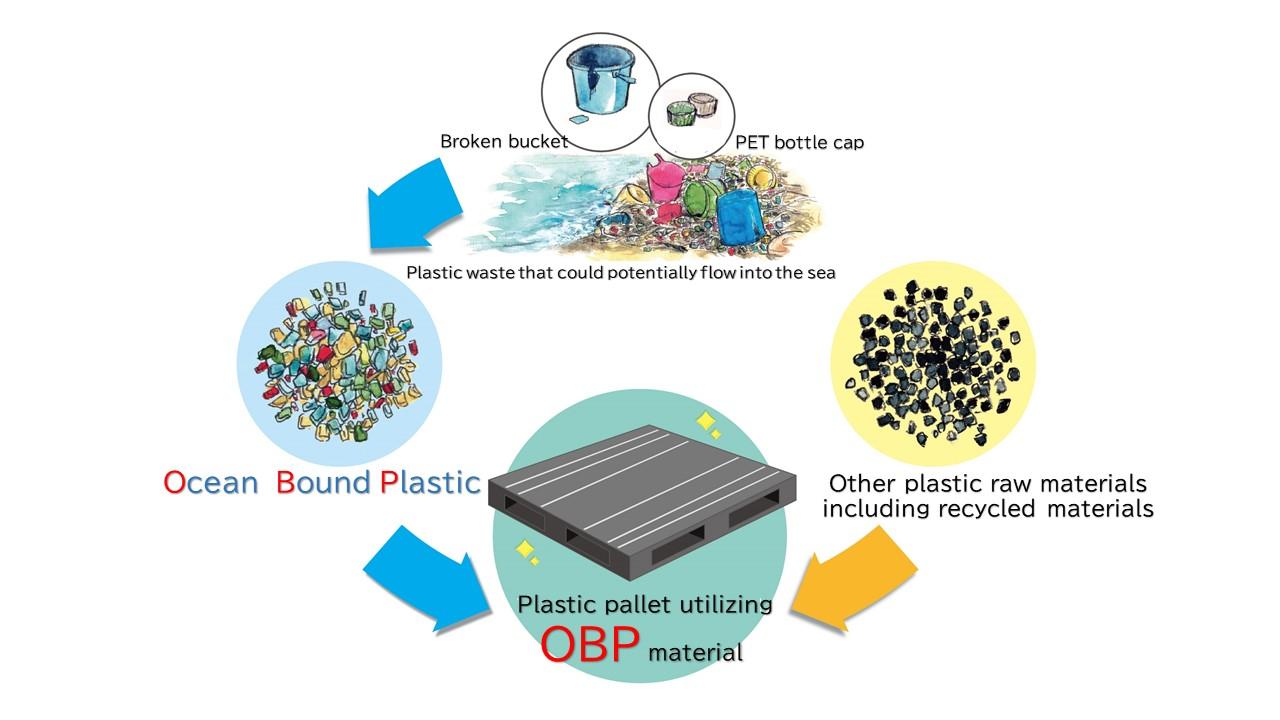
Since the 1990s, we have been producing plastic pallets using recycled materials. To help address the global issue of ocean-bound plastic waste, we have taken a pioneering step by incorporating Ocean Bound Plastic into our plastic pallets.
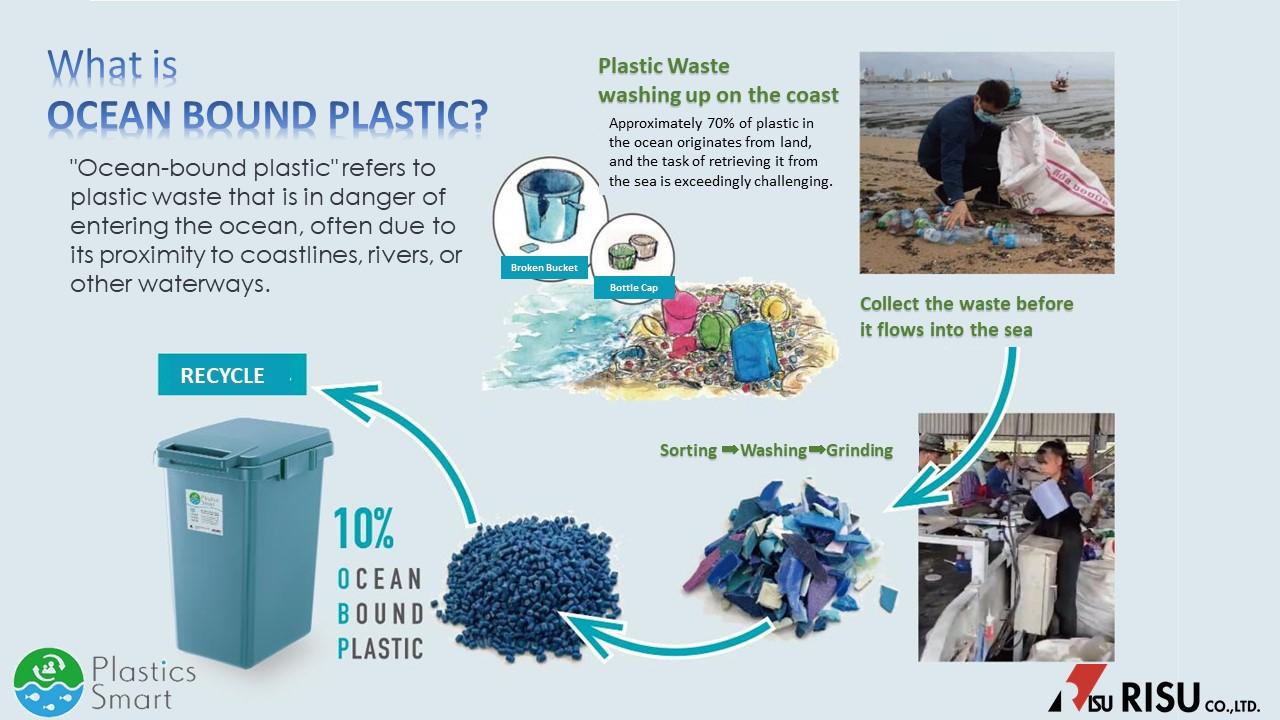
Note: Ocean Bound Plastic refers to plastic waste collected and recycled before it has the potential to flow into the ocean.
Adopted by NISSIN FOOD PRODUCTS CO., LTD.
As part of its efforts to transition to plastic pallets made with recycled materials, NISSIN FOOD PRODUCTS CO., LTD. evaluated this product and adopted it for logistics use.
Adopted by POLA ORBIS HOLDINGS INC.

POLA ORBIS INC. has introduced recycled pallets made in part with ocean plastics for use in transporting its products.
Adopted by ROHTO Pharmaceutical Co., Ltd.
To help reduce environmental impact, ROHTO Pharmaceutical Co., Ltd. uses plastic pallets made in part with ocean plastics for product storage and handling.
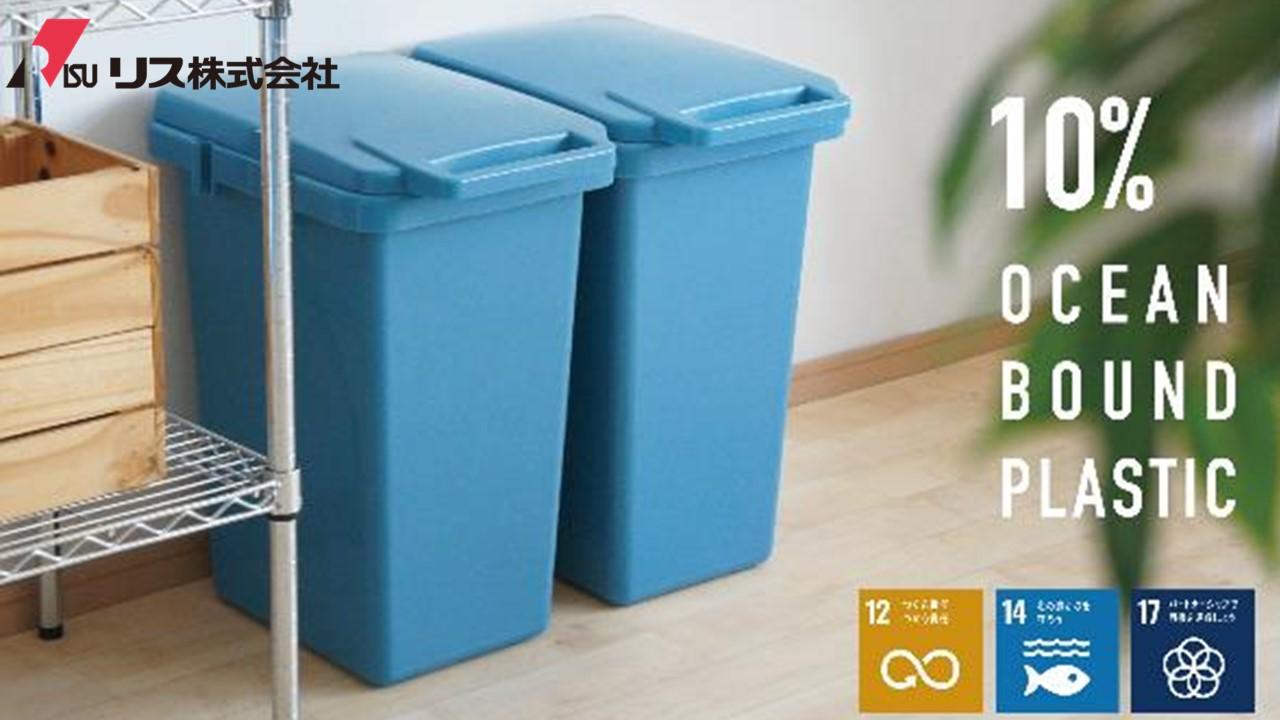
Recycling Initiative: RISU OBP DUSTBOX 45J Made with Ocean Bound Plastic
RISU OBP DUSTBOX 45J is an environmentally friendly waste container made in part with Ocean Bound Plastic.
As Japan’s first waste container to incorporate Ocean Bound Plastic as a raw material, it helps promote resource recycling and reduce environmental impact.
Recycling Initiative: Participation in a Circular Economy Program
Collection and Reuse of Used Stainless Steel Bottles
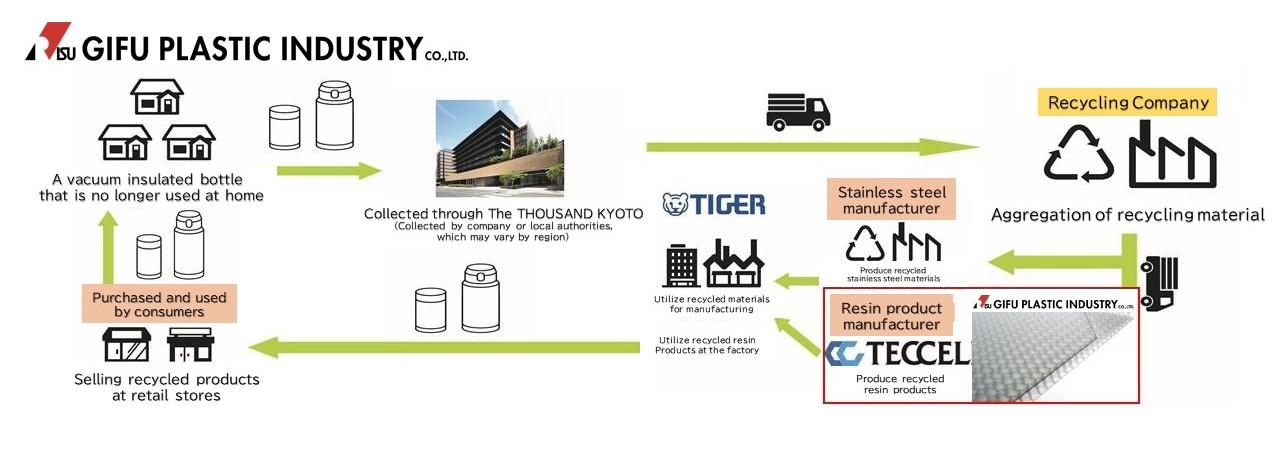
Gifu Plastic Industry Co., Ltd. participates in a circular economy initiative for the collection and reuse of used stainless steel bottles.
In this initiative, TIGER CORPORATION collects unwanted stainless steel bottles from households. The collected bottles are then processed by recycling specialists and reused as recycled stainless steel materials and recycled plastic materials.
In collaboration with TIGER CORPORATION, Gifu Plastic Industry uses TECCELL technology to develop products made with recycled plastic materials. These TECCELL products are subsequently used at TIGER CORPORATION’s production facilities.
Recycling Initiative: Chemical Recycling
Investment in R PLUS JAPAN Co., Ltd.
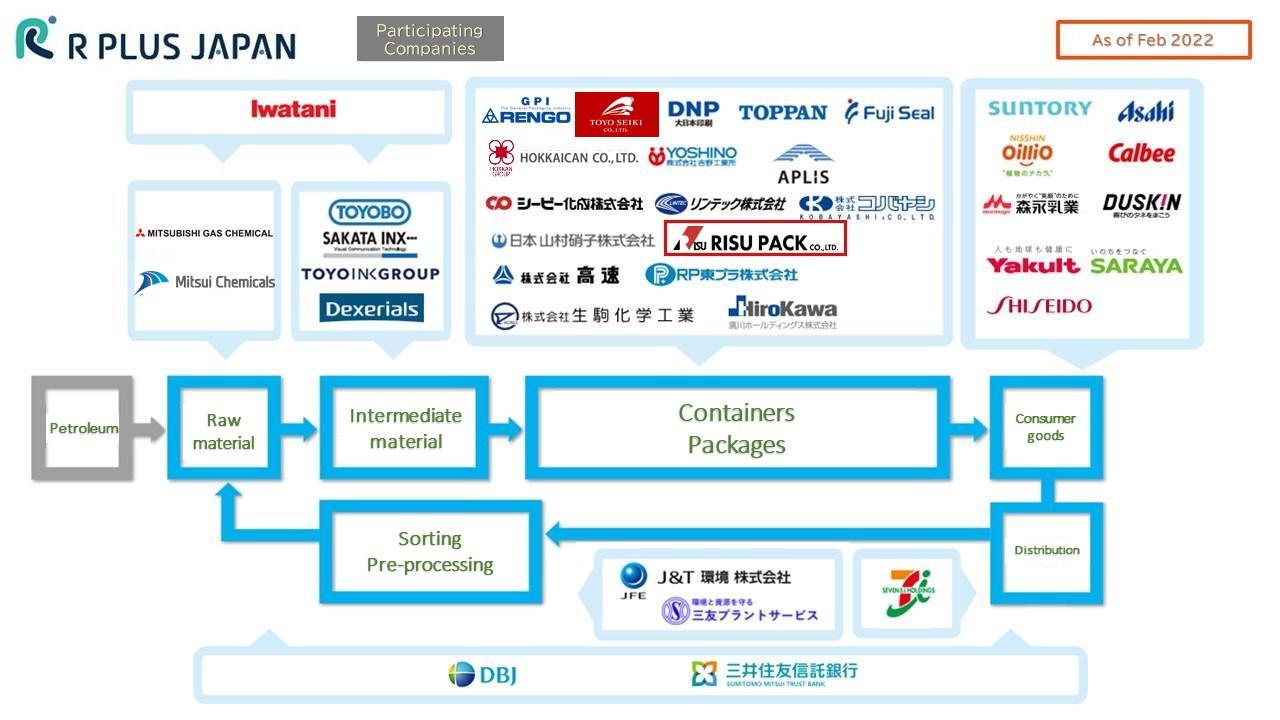
R PLUS JAPAN Co., Ltd. is a company established by the Suntory Group with the goal of achieving “zero use of new fossil resources.”
In collaboration with Anellotech Inc., a U.S.-based biotechnology company, R PLUS JAPAN is working to develop environmentally friendly and efficient recycling technologies for used plastics.
To help address global plastic waste issues, companies from a wide range of industries are participating in this initiative, including plastic collection and sorting, monomer production, polymer manufacturing, packaging container production, trading companies, and beverage and food manufacturers. The project aims to achieve practical implementation by 2027.
RISUPACK Co., Ltd. participates in this joint investment project to support the transition from petroleum-based raw materials to biomass-based raw materials for food containers and to promote the recycling of used plastics. Through its participation in this value chain, RISUPACK aims to contribute to the realization of a sustainable society.